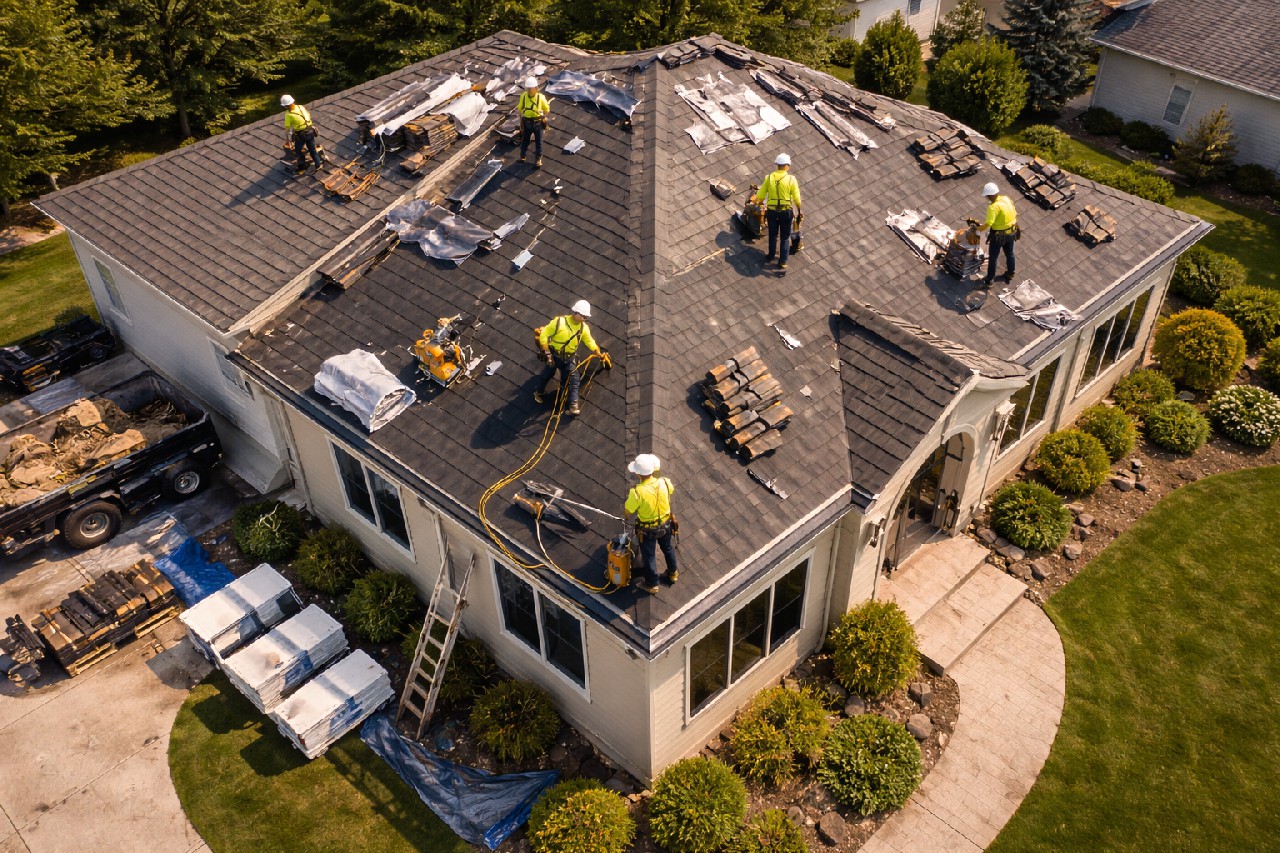


⚡ TL;DR: Discover essential roof ventilation installation strategies for Tacoma homes, tackling local climate challenges, busting myths, diagnosing issues, and applying pro tips for better attic performance.
📋 What You’ll Learn
In this Tacoma roof ventilation guide, you'll uncover climate-driven needs, busted myths, top system types, attic diagnosis tips, pro installation secrets, and a real local case study for lasting results.
- Grasp Tacoma climate demands on roof ventilation to combat rain-induced moisture, heat buildup, and shingle damage unique to our Pacific Northwest environment.
- Bust local ventilation myths that trap homeowners in poor choices, like skipping intake vents or over-relying on fans without balanced exhaust.
- Master essential vent types for Tacoma roofs, including soffit, ridge, and turbine options tailored to attic size and local weather patterns.
- Diagnose attic issues early with pro checks for poor airflow, excess humidity, and heat pockets that signal urgent ventilation upgrades.
- Apply seamless install secrets from field pros to enhance roof life, cut energy costs, and ensure compliance in Tacoma's rainy conditions.
📖 Reading time: 7 min
✍️ Author expertise: Tacoma roofer with 20+ years of hands-on ventilation installs from local homes.
Ever wake up in Tacoma to another sticky summer morning, only to find your AC cranking overtime and your roof attic feeling like a sauna?
That's your home screaming for better roof ventilation, the hidden hero that slashes energy bills, stops mold invasions, and extends your shingles' life by years.
Discover the game-changing secrets local pros swear by to transform Tacoma roofs into cool, durable fortresses.
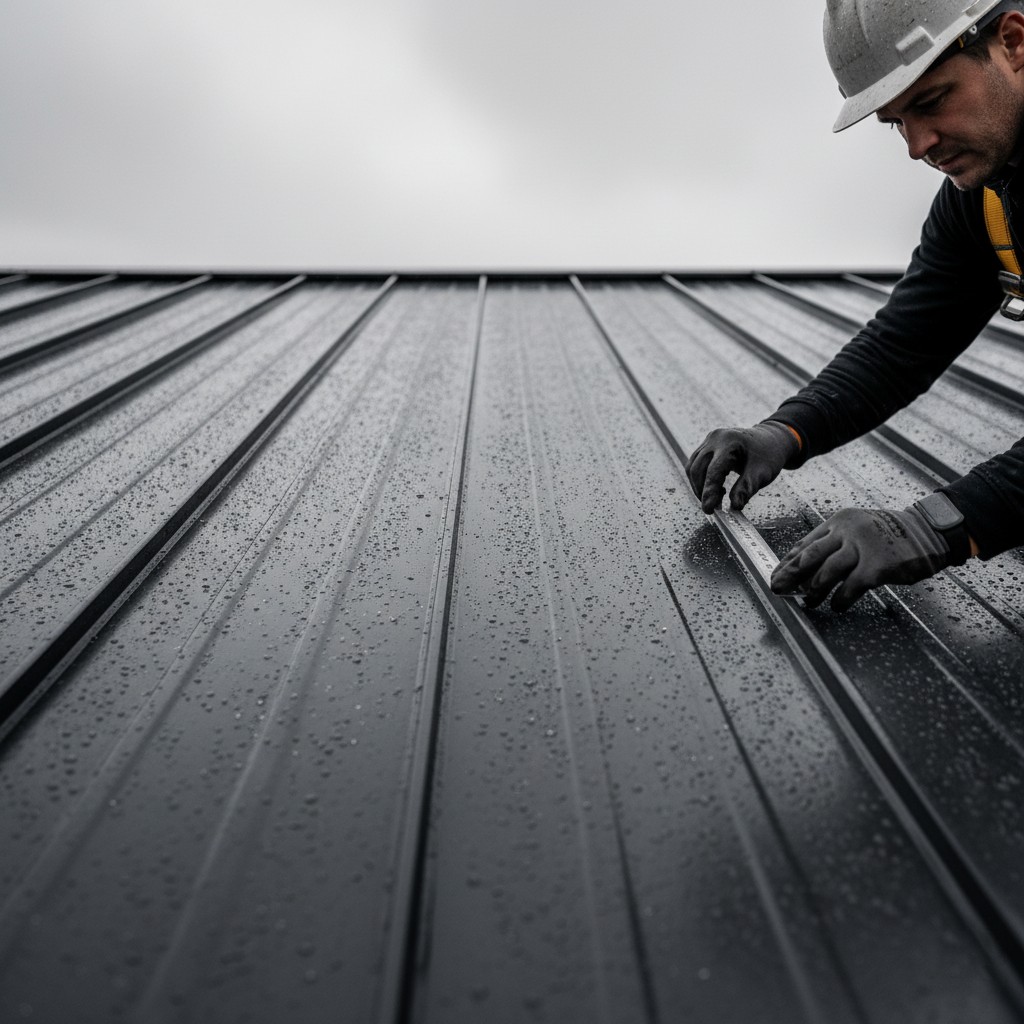
Why Tacoma's Climate Demands Expert Roof Ventilation
Tacoma's weather hits roofs hard. Wet winters dump endless rain and fog, trapping moisture in your attic. Then summer swings in with heat that turns that space into an oven.
Poor ventilation lets humidity build up fast. You get mold growth, warped wood, and shingles that peel off early. Your energy bills spike as the AC fights a losing battle.
Local homes need systems built for this. Think ridge vents that pull out damp air year-round. Or soffit intakes that keep things balanced without gaps.
- Rainy seasons breed rot if air stalls.
- Hot days shorten shingle life by 20-30%.
- Pro installs match Tacoma's mix of wet and warm.
Skip the DIY guesswork. One wrong move, and you're back to sticky attics and repair calls.
Common Roof Ventilation Myths Busted for Local Homeowners
Think slapping on a few extra vents will fix your Tacoma roof's sweatbox attic? Wrong. Local homeowners fall for these traps all the time, wasting cash on junk fixes.
Myth #1: Vents alone beat the heat without balance. Exhaust up top needs intake down low, or you're just pulling hot air in circles. Skip this, and your energy bills skyrocket while ice dams wreck winter havoc here in the Puget Sound chill.
Myth #2: Tacoma's rain means ventilation is pointless
Not even close. Our soggy climate traps moisture like a sponge up there, breeding mold and rot. Proper airflow dries it out fast, saving your roof from early grave.
- Myth #3: Fans trump passive systems every time. Power-hungry attic fans guzzle electricity and wear out quick in Tacoma's winds.
- Passive ridge and soffit vents run silent, last decades, and slash AC use by 30%.
Buy into these, and your roof pays the price. Stick with proven setups tailored for our foggy, rainy mess.
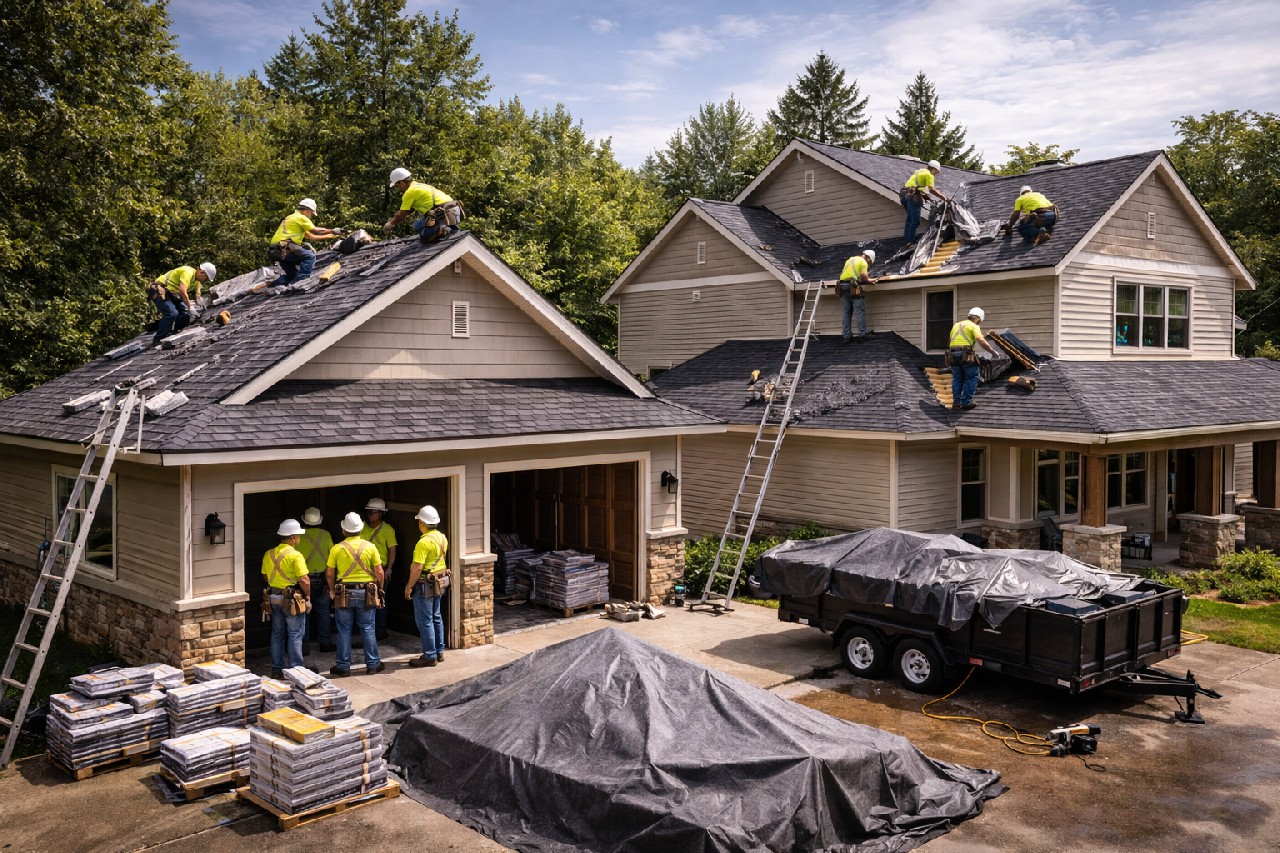
Essential Types of Ventilation Systems for Tacoma Roofs
Tacoma's rainy winters and muggy summers call for smart ventilation that pulls hot air out and lets cool air flow in. Skip the guesswork. Here are the top systems that deliver real results for local homes.
Passive Powerhouses: No Electricity Needed
These work with wind and heat alone, perfect for our unpredictable Puget Sound breezes. Ridge vents run along your roof peak, exhausting hot air 24/7. Pair them with soffit vents under the eaves for intake, and you create a natural chimney effect.
- Gable vents: Great for older homes, they punch air through attic sidewalls.
- Box vents: Compact and easy to add, ideal if ridge venting isn't an option.
Active Boosters: When You Need Extra Muscle
Powered fans kick in during peak heat, sucking out moisture before it wrecks your shingles. Solar-powered attic fans shine in sunny Tacoma spells, running free on roof panels. Turbine vents spin with wind for hybrid help, slashing humidity fast.
Pick based on your roof pitch and attic size. Local pros match the right combo to beat ice dams and cut AC strain.
How to Diagnose Poor Ventilation in Your Attic
Spotting bad attic ventilation starts with the obvious clues your Tacoma home drops right in your lap. Think skyrocketing AC bills during those muggy Puget Sound summers or ice dams turning your roof into a winter slip-n-slide. Your attic shouldn't feel like a blast furnace on a 70-degree day.
Grab a flashlight and head up there on a warm afternoon. Feel the air: if it's hotter than outside by 20 degrees or more, you've got a problem. Look for dark streaks on rafters from trapped moisture or rust on nails popping through the decking.
Quick Checklist for Tacoma Attics
- Mold or mildew patches? That's humidity trapped with no escape.
- Shingles curling early or granules clogging your gutters? Heat's baking them alive.
- Frost buildup in winter despite our rainy weather? Poor airflow's the culprit.
- Noisy fans running constant? They're fighting a losing battle.
Stick a thermometer in the attic and compare it to outdoors. Anything over 10-15 degrees difference screams for pro help before mold crashes the party.
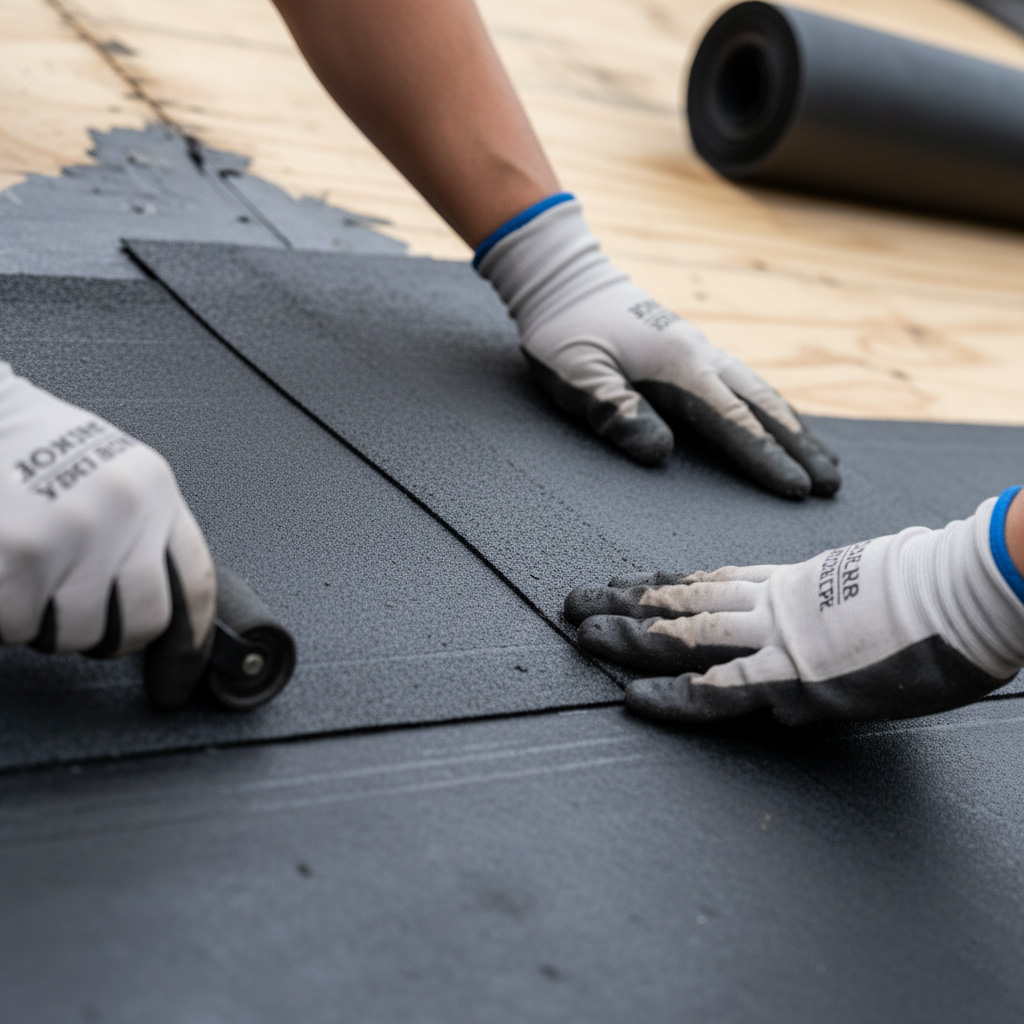
Pro Secrets to Seamless Roof Ventilation Installation
Listen up, Tacoma homeowner. The real magic happens before the first shingle lifts. Skip this, and you're inviting leaks or weak airflow from day one.
Secret #1: Map Your Attic Like a Pro
Grab a tape measure and flashlight. Chart every inch: calculate your attic's square footage, spot blocked soffits, and note roof pitch quirks common in our rainy neck of the woods.
- Need 1 square foot of vent space per 150 square feet of attic? That's your gold standard here.
- Mark hot spots where heat pools. No guesswork.
Pros in Tacoma swear by this blueprint. It dodges 90% of install headaches.
Secret #2: Layer It Right, No Shortcuts
Start low with intake vents under eaves. Punch in ridge vents up top for that hot air highway out.
Seal every gap with spray foam. One tiny oversight, and moist Tacoma air sneaks in, breeding rot.
Final pro move? Balance it. Test airflow with a smoke pencil post-install. If it swirls wrong, tweak now. Your roof thanks you with decades of solid performance.
Case Study: Reviving a Tacoma Family Home with Ventilation Upgrades
Meet the Johnsons, a Tacoma family of four living in a cozy 1970s ranch-style home near Point Defiance. Their attic hit 140 degrees last summer. Shingles curled, energy bills spiked 40%, and ice dams wrecked their eaves every winter.
We swooped in with a full diagnostic. Turns out, zero soffit vents and a clogged ridge vent starved the roof of airflow. Solution? Installed 24 continuous soffit vents paired with a new turbine ventilator and ridge vent upgrade.
Before and After: Real Results
- Attic temps dropped 50 degrees – no more sauna up top.
- Energy savings hit 25% on cooling costs first summer.
- No ice dams this winter; shingles look brand new.
The Johnsons now sleep easy. Their home breathes. And they're referring neighbors left and right.
Final Thoughts
Your Tacoma roof doesn't have to suffer through another sweltering season. Proper ventilation isn't just a fix—it's your ticket to lower bills, healthier air, and shingles that last.
Spot the signs early. Act fast with pros who know local weather inside out.
Quick Wins for Your Roof
- Inspect attics twice a year.
- Balance intake and exhaust vents.
- Pair upgrades with energy-efficient insulation.
Don't wait for the next heatwave to hit. Dive into our Roof Ventilation Installation options today and cool down your home for good.
People Also Ask
What makes roof ventilation crucial for Tacoma homes?
Tacoma's wet, rainy climate combined with cool winters and warm summers creates high humidity and temperature swings that trap moisture in attics. Poor ventilation leads to mold, rot, and shortened roof life, but proper systems expel hot air and moisture effectively. Installing expert ventilation protects your home's structure and improves energy efficiency year-round.
How can I tell if my Tacoma attic has poor ventilation?
Look for signs like excessive heat buildup in summer, ice dams in winter, or musty odors and condensation on rafters. High energy bills from overworked HVAC and deteriorating shingles or insulation are common red flags. A professional inspection with tools like infrared cameras can confirm airflow issues specific to Tacoma's weather patterns.
What are the best types of roof ventilation for Tacoma roofs?
Soffit and ridge vents provide balanced intake and exhaust airflow ideal for Tacoma's damp conditions, preventing moisture buildup. Powered attic fans or solar vents work well for larger homes needing extra extraction during humid spells. Consult local experts to match systems like turbine or static vents to your roof pitch and home size.
How much does roof ventilation installation cost in Tacoma?
Costs typically range from $800 to $2,500 depending on home size, vent type, and existing roof condition. Soffit and ridge vent combos average $1,200-$1,800 for most Tacoma homes, including labor. Upgrades often qualify for energy rebates, offsetting expenses while boosting home value and comfort.
Does proper roof ventilation lower energy bills in Tacoma?
Yes, effective ventilation reduces attic heat by up to 30 degrees in summer, easing AC load and cutting cooling costs. In Tacoma's mild climate, it prevents ice dams and winter heat loss, improving overall efficiency. Homeowners often see 10-20% savings on utility bills after professional installation.

Tacoma Roofing delivers expert roofing services to homeowners and businesses in Tacoma, WA. With years of hands-on experience, our team focuses on quality installations, repairs, and maintenance tailored to local needs. Rooted in the Tacoma community, we address the region's unique weather challenges with reliable craftsmanship.
Need Roofing?
Fast roofing repairs and replacements deliver leak-proof, durable protection in Tacoma, WA and nearby areas (98402, 98403, 98404, 98405, 98406).
Get Roofing Quote